October 5, 2026
Asphalt paving may look straightforward from a distance, but creating a durable driveway or paved surface requires far more than spreading material and smoothing it out. The final result depends on proper grading, base preparation, drainage, material temperature, compaction, thickness, timing, and finishing techniques. When homeowners attempt the work themselves without professional equipment or experience, small mistakes can quickly lead to cracking, sinking, poor drainage, uneven surfaces, and premature failure. Local paving contractors understand how each stage affects the next, which helps them create surfaces designed to handle traffic, weather, and changing ground conditions. Understanding why DIY asphalt projects so often go wrong can help property owners recognize when professional paving is the more practical option.
Preparing the Base Incorrectly
One of the most common problems with DIY asphalt paving begins before the asphalt is even placed. A paved surface needs a properly prepared base capable of supporting the weight of vehicles and resisting movement over time. Simply removing grass or loose soil and placing asphalt directly over the ground is rarely enough. The area may need to be excavated to a suitable depth, graded, and filled with the appropriate aggregate material before compaction begins. If the base is too soft, uneven, or poorly compacted, the finished pavement can shift as vehicles repeatedly travel across it.
Local paving contractors evaluate the existing ground before determining how the base should be constructed. Soil conditions, drainage patterns, expected traffic, and the condition of any existing pavement can influence preparation requirements. Professionals also have access to heavier compaction equipment that can create a more stable foundation than hand tools or small rental machines typically provide. When the base is prepared incorrectly, cracks and depressions may appear even if the asphalt surface initially looks smooth, making proper groundwork essential to the durability of the entire project.
Managing Drainage Ineffectively
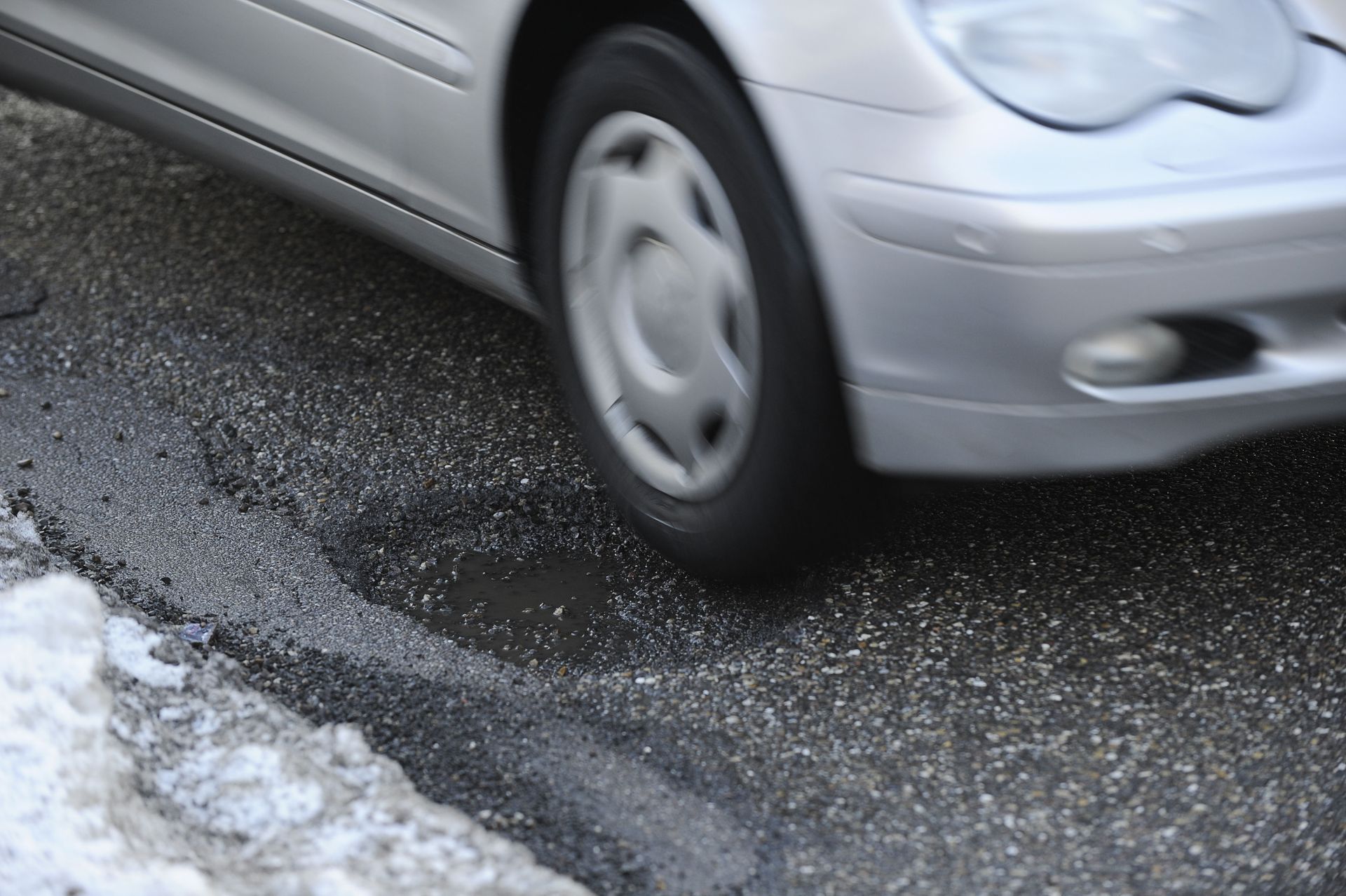
Water is one of the biggest threats to asphalt pavement. If a driveway or parking surface is not graded correctly, rainwater can collect in low spots or flow toward buildings, garages, walkways, and other areas where it may create additional problems. Standing water can also work its way into small cracks and weaken the base beneath the pavement. In climates where freezing occurs, trapped moisture can expand and contract, contributing to larger cracks and surface deterioration over time.
Local paving contractors plan slopes and elevations so water can move away from the paved area as efficiently as possible. They may also consider nearby landscaping, drainage systems, curbs, structures, and existing grades when determining how the finished surface should be shaped. DIY projects often rely on visual estimates rather than precise measurements, which can leave areas that appear level but actually hold water. Once asphalt has been installed, correcting drainage problems can require significant additional work, making proper planning important before paving begins.
Handling Asphalt Temperatures Poorly
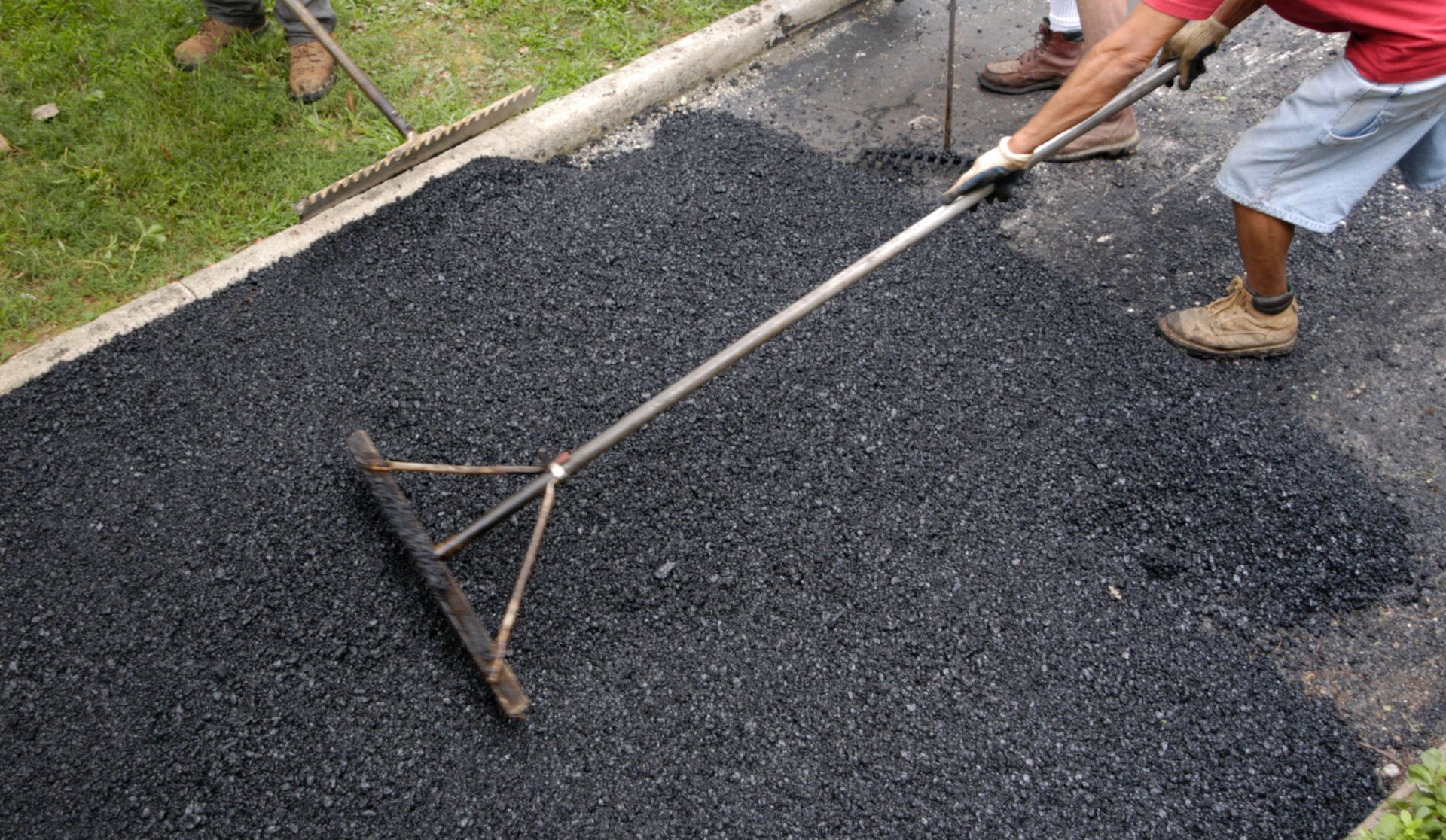
Asphalt must be placed and compacted while it remains within an appropriate temperature range. As the material cools, it becomes more difficult to spread and compact effectively. Homeowners attempting a DIY project may struggle to transport, place, and finish the material quickly enough, especially when working with limited equipment or a small crew. Delays can allow sections to cool before they are properly compacted, creating weak areas, seams, or an inconsistent surface.
Local paving contractors are accustomed to coordinating material delivery, equipment, and crew members so asphalt can be placed efficiently. They understand how weather conditions, project size, haul distance, and surface temperatures can affect the amount of working time available. Professional crews also use equipment designed to spread and compact asphalt consistently across larger areas. When temperature is not managed carefully, the finished pavement may not achieve the density needed for long-term performance, increasing the likelihood of crumbling, raveling, and early deterioration.
Compacting the Surface Unevenly
Compaction is one of the most important stages of asphalt installation because it helps create a dense, stable surface capable of handling repeated traffic. If some areas receive too little compaction, air pockets can remain within the pavement, making it more vulnerable to water penetration and deterioration. Overworking certain areas while neglecting others can also create unevenness. Homeowners using hand tampers or lightweight rental rollers may find it difficult to achieve the consistent pressure needed across an entire driveway.
Professional paving crews use rollers and other compaction equipment suited to the size and design of the project. Local paving contractors also understand when each pass should be made and how to compact around edges, curves, joints, and other areas where the equipment may need additional control. Proper compaction requires balancing temperature, timing, and pressure rather than simply rolling over the surface repeatedly. Inconsistent density can shorten the usable life of the pavement and cause visible defects that may become more noticeable as the surface ages.
Finishing the Edges and Joints Improperly
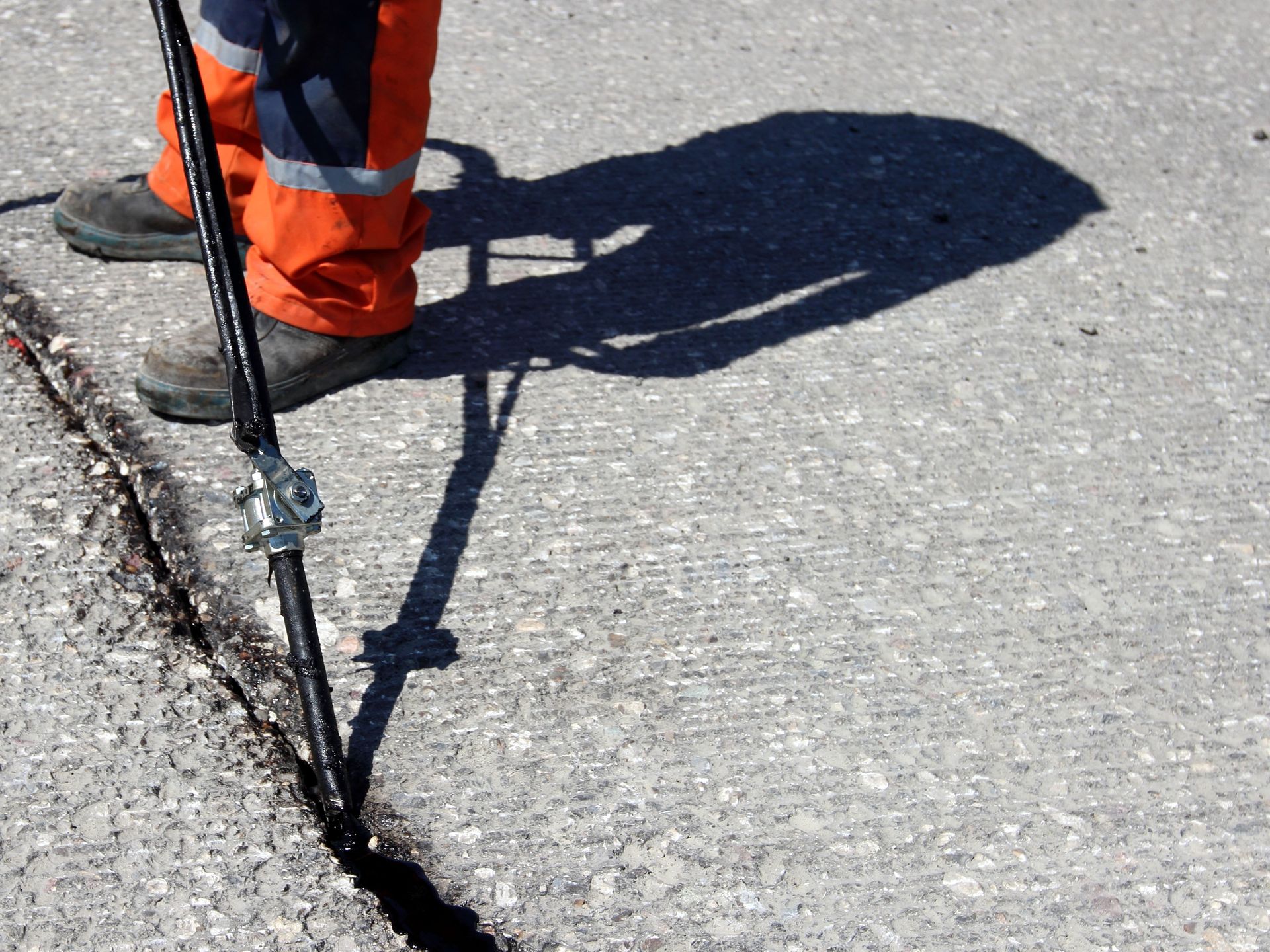
Edges and joints are vulnerable areas in asphalt paving because they may receive less structural support than the center of the surface. Poorly finished edges can break away, crumble, or become damaged when vehicles drive too close to the side. Joints between sections also need to be constructed carefully so water does not easily enter gaps or weak seams. DIY installers may concentrate primarily on smoothing the main surface while overlooking these details.
Experienced crews use specific techniques to create stronger transitions between new sections, existing pavement, garages, roads, and other surfaces. Local paving contractors also pay attention to edge compaction and surrounding support, which can help reduce premature deterioration along the perimeter. Finishing work may seem minor compared with spreading the asphalt itself, but poorly constructed joints and edges can become some of the first areas to fail. Once deterioration begins there, damage can gradually spread into the surrounding pavement.
Using the Pavement Too Soon
A newly paved surface needs time to cool and stabilize before it is placed under normal use. Homeowners eager to park vehicles on a finished driveway may accidentally create tire marks, depressions, or other damage by using it too soon. Warm weather can extend the amount of time asphalt remains relatively soft, and concentrated pressure from heavy vehicles, trailers, or sharp turns can affect the surface even after it appears ready.
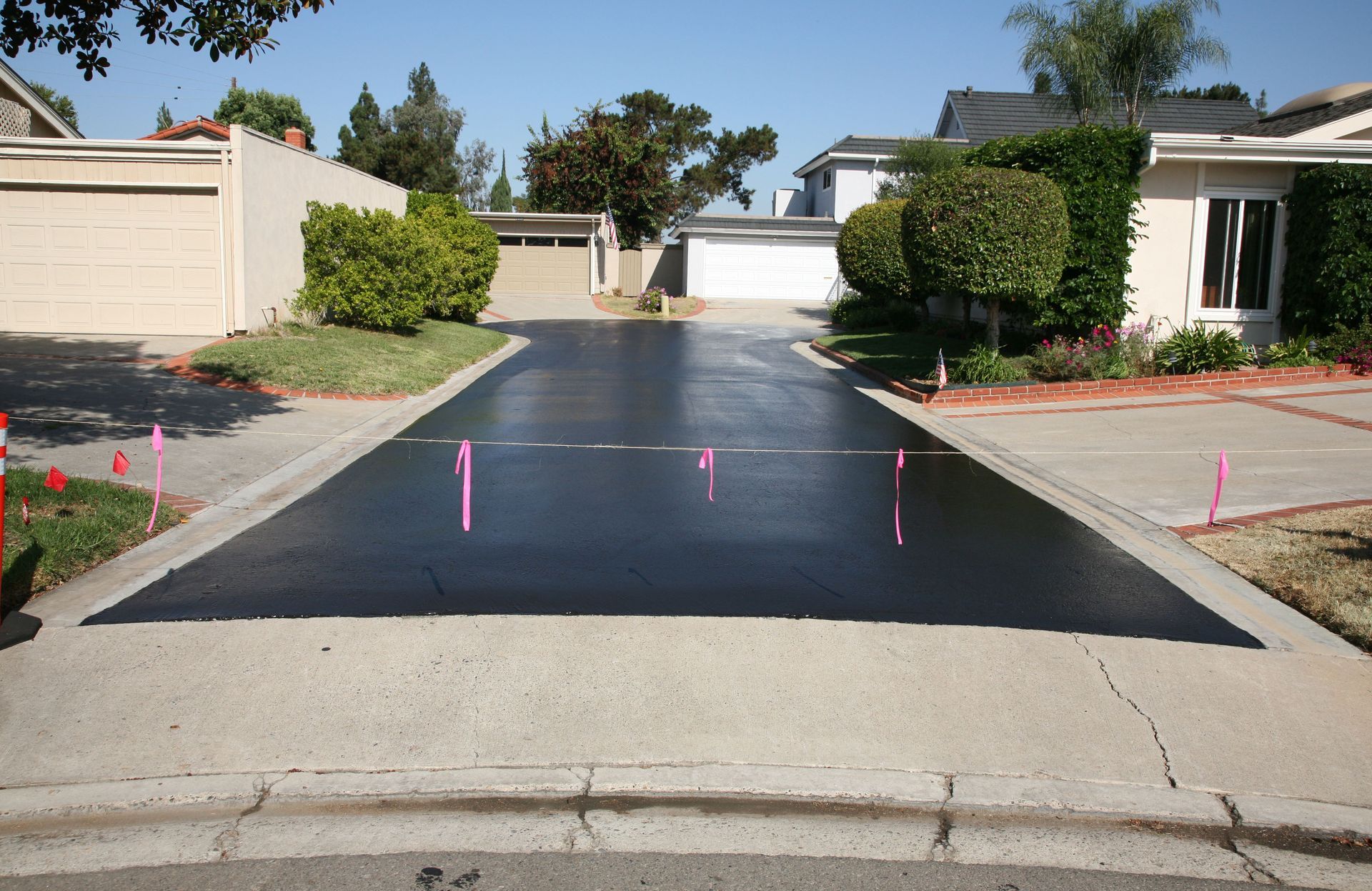
According to Fixr, a newly paved driveway is generally ready for foot traffic within 24 to 48 hours and vehicle traffic after three to five days. Professional crews can provide guidance based on the specific project, temperature, and conditions present at the property. Local paving contractors may also explain how to avoid sharp turns, heavy loads, or parking in the same location repeatedly while the pavement continues to cure. Following appropriate use recommendations can help protect the surface during the period when it is most vulnerable to deformation.
DIY asphalt paving can fail for many reasons, including poor base preparation, incorrect grading, inadequate drainage, temperature problems, uneven compaction, insufficient thickness, weak edges, and premature use. Each stage of the process affects the performance of the finished pavement, and mistakes made early may not become visible until cracks, depressions, drainage problems, or surface deterioration begin to appear. Professional equipment, experience, and planning can make a significant difference in how well an asphalt surface handles everyday traffic and changing weather conditions. Instead of risking expensive repairs or an early replacement, homeowners can work with local paving contractors who understand how to prepare, install, compact, and finish asphalt correctly. If you are planning a new driveway or another asphalt paving project, contact Economy Asphalt, LLC.