July 31, 2026
A small crack in an asphalt driveway or parking lot often seems like a purely cosmetic issue, easy to overlook when there are plenty of other maintenance priorities competing for attention and budget. Unfortunately, this common mindset frequently leads to significantly more expensive problems down the road, since even minor cracking represents a genuine vulnerability that tends to worsen steadily if left unaddressed. Understanding how quickly a small crack can escalate into a much larger, more costly issue helps property owners recognize why prompt attention from qualified asphalt contractors matters so much for protecting their pavement investment. The difference proper maintenance makes becomes especially clear when looking at how significantly it affects overall pavement lifespan. According to Fixr, asphalt can last up to 30 years with proper maintenance and sealing, but without it, its lifespan may decrease to around 15 years due to oil oxidation, illustrating just how much neglecting small issues like cracks can cost property owners over time. Below, we'll explore how ignoring asphalt cracks leads to major, costly damage.
Understanding How Water Infiltration Accelerates Damage
Once a crack forms in asphalt, it creates a direct pathway for water to penetrate beneath the surface, reaching the base layers that provide crucial structural support for the entire pavement system. This water infiltration becomes particularly damaging during freeze-thaw cycles, since water expands as it freezes, physically widening the crack and creating even more pathways for additional water intrusion with each subsequent cycle. Asphalt contractors frequently observe how quickly this process can accelerate, transforming a hairline crack into a significant structural issue within just a single harsh winter season if left unaddressed. This water-related damage often extends well beyond the visible crack itself, weakening the underlying base material in ways that aren't immediately apparent from the surface. Understanding this water infiltration process helps illustrate why even small, seemingly insignificant cracks deserve prompt professional attention rather than being dismissed as a minor cosmetic concern.
Recognizing How Cracks Lead to Pothole Formation
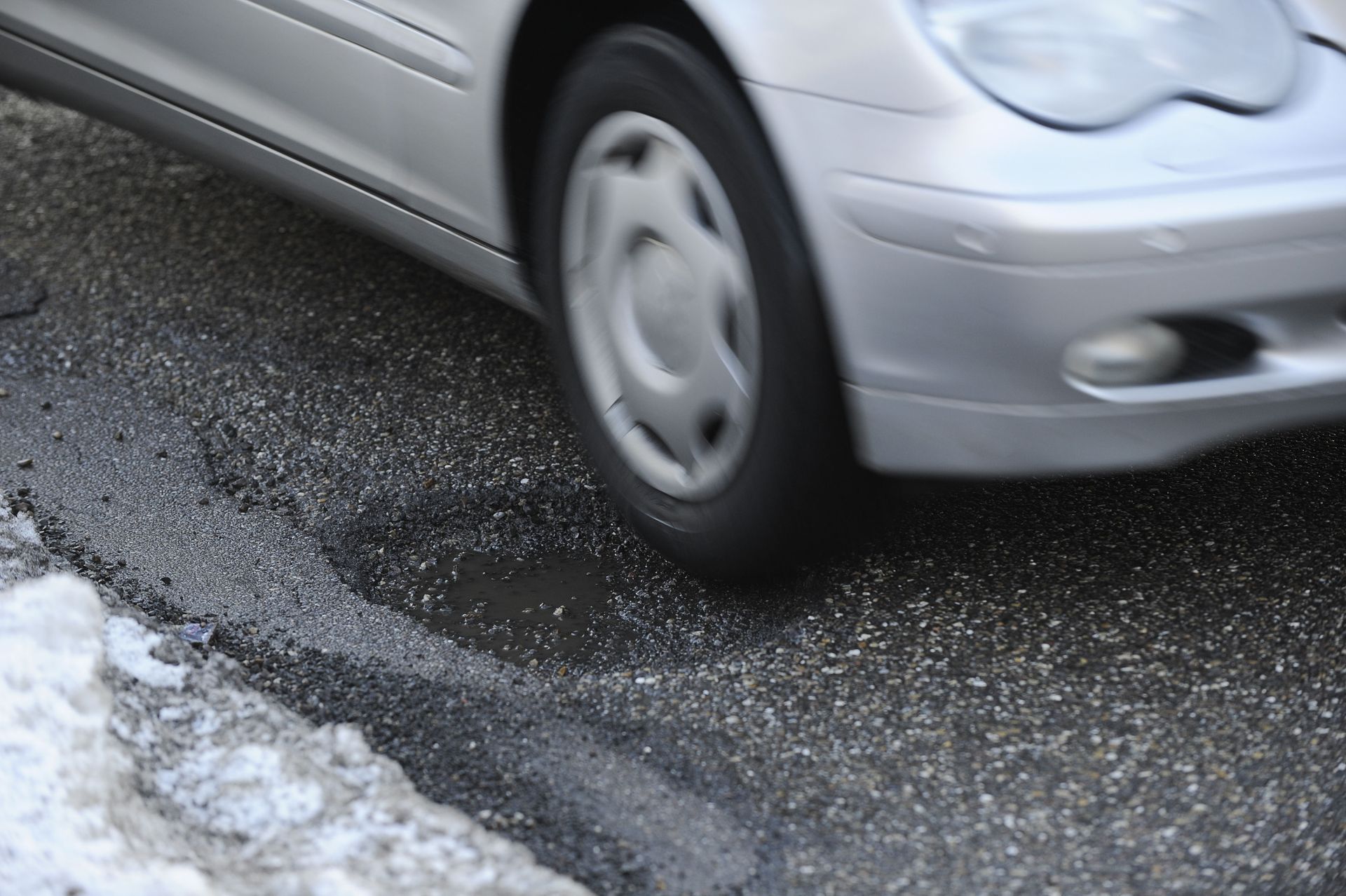
Left unaddressed, cracks frequently progress into potholes, since the combination of water infiltration and continued traffic stress gradually breaks down the weakened pavement structure surrounding the original crack. This progression often happens more quickly than property owners expect, particularly in areas experiencing significant vehicle traffic or challenging weather conditions throughout the year. Once a pothole forms, the repair becomes considerably more extensive and expensive compared to what addressing the original crack would have required, since potholes typically necessitate deeper excavation and more substantial material replacement. Asphalt contractors regularly see this exact progression play out on properties where minor cracking went unaddressed for even a relatively short period of time. Recognizing this connection between small cracks and eventual pothole formation helps property owners understand why proactive crack repair represents such a cost-effective preventive measure.
Understanding the Financial Impact of Delayed Repairs
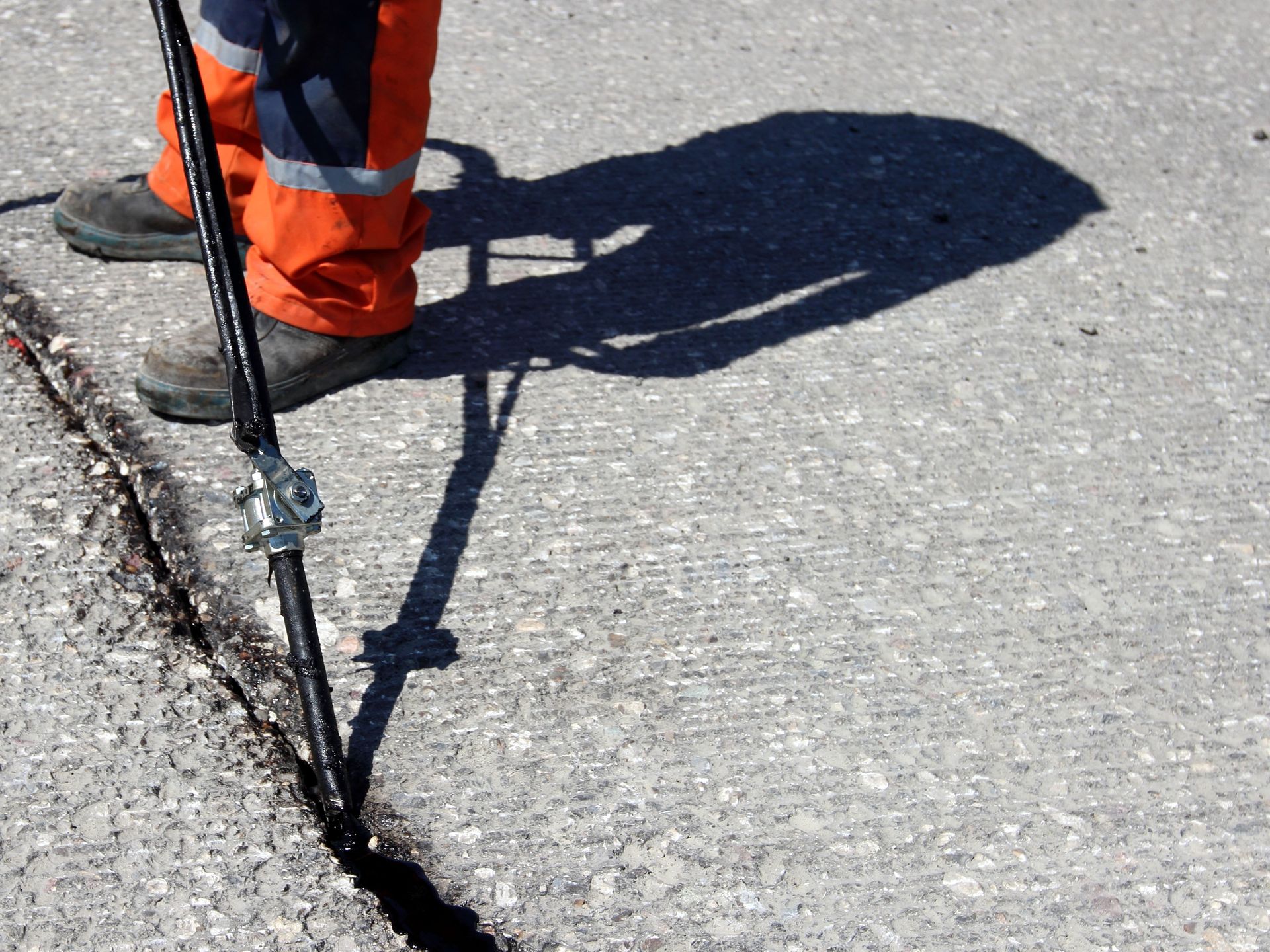
The cost difference between addressing a minor crack promptly and waiting until it develops into more significant damage can be substantial, often representing a difference of many multiples between the two repair costs. Simple crack sealing typically requires relatively minimal material and labor investment, while addressing a full pothole or significant structural damage often requires excavation, base repair, and more extensive resurfacing work. Asphalt contractors can often point to real examples where a property owner's decision to delay a simple crack repair ultimately resulted in costs many times higher than the original preventive fix would have required. This financial reality makes proactive crack repair one of the most cost-effective maintenance decisions property owners can make for their asphalt surfaces. Understanding this cost escalation helps property owners recognize that delaying repairs rarely saves money in any meaningful, long-term sense.
Recognizing How Cracks Spread and Multiply Over Time
A single crack rarely remains isolated for long, since the same stress and environmental factors that caused the original crack typically continue affecting the surrounding pavement, often leading to additional cracks forming nearby over time. This spreading pattern, sometimes called alligator cracking when it creates an interconnected web of smaller cracks, indicates that the underlying pavement structure has become significantly compromised. Asphalt contractors understand how to recognize this progression pattern, helping property owners understand whether their current damage represents an isolated issue or a sign of more widespread structural concern. Addressing cracks early, before this spreading pattern has the chance to develop, helps prevent the kind of widespread damage that eventually requires much more extensive, costly intervention. Recognizing this tendency for cracks to multiply reinforces why prompt attention to even a single small crack makes genuine practical sense.
Understanding the Risk of Base Layer Damage
Beneath the visible asphalt surface lies a crucial base layer that provides structural support for the entire pavement system, and prolonged water infiltration through untreated cracks can significantly compromise this foundational component over time. Once this base layer becomes damaged, simply repairing the surface asphalt often proves insufficient, since the underlying structural weakness will likely continue causing problems even after cosmetic repairs are completed. Asphalt contractors emphasize how important it is to address cracks before this kind of base layer damage occurs, since repairs at this deeper structural level require significantly more extensive, invasive work compared to surface-level crack sealing. This potential for base layer damage represents one of the most serious, though less visible, consequences of ignoring seemingly minor surface cracks. Understanding this risk helps property owners appreciate why prompt crack repair protects far more than just the pavement's visible appearance.
Recognizing How Neglected Cracks Affect Safety
Beyond the financial implications, neglected asphalt cracks can eventually create genuine safety hazards, particularly as they develop into potholes or uneven surfaces that pose tripping or vehicle damage risks for anyone using the affected area. This safety consideration becomes particularly important for commercial properties, where inadequately maintained pavement could potentially create liability concerns if someone is injured due to hazardous surface conditions. Asphalt contractors understand how quickly seemingly minor cracking can progress into genuinely hazardous conditions, particularly in high-traffic areas experiencing repeated stress from vehicles or foot traffic. Addressing cracks promptly helps property owners avoid this safety escalation, protecting both visitors and their own liability exposure in the process. This safety dimension adds an important additional consideration beyond the purely financial reasons for prioritizing prompt crack repair.
Understanding the Value of Proactive Sealcoating
Beyond addressing existing cracks, regular sealcoating provides an important preventive measure that helps protect asphalt from developing new cracks in the first place, creating a protective barrier against water, UV rays, and other damaging environmental factors. Asphalt contractors typically recommend this sealcoating on a regular schedule, helping property owners maintain their pavement's structural integrity and significantly extend its overall functional lifespan. This proactive approach represents a genuinely cost-effective strategy compared to the reactive cycle of repeatedly repairing cracks and potholes that develop without this consistent protective maintenance. Combining prompt crack repair with regular sealcoating provides property owners with a comprehensive approach to protecting their asphalt investment over its entire expected lifespan. This proactive maintenance philosophy represents the most effective, financially sensible approach to long-term asphalt care.
At Economy Asphalt, LLC, we understand how quickly a small crack can escalate into significant, costly pavement damage, and we're committed to providing prompt, thorough repair services to protect your asphalt investment before minor issues become major problems. Our experienced team of asphalt contractors brings the expertise needed to properly assess and address cracking at every stage, from simple crack sealing to more extensive structural repairs when necessary. We believe that proactive maintenance represents the smartest, most cost-effective approach to protecting your pavement's long-term value and structural integrity. Whether you're noticing early signs of cracking or dealing with more significant damage, our knowledgeable team is here to help every step of the way. If you're ready to address asphalt cracks before they lead to major damage, contact Economy Asphalt, LLC today to schedule your consultation with our trusted
asphalt contractors.